


Understanding the Shelf Life of Carrier Oils: A Guide to Quality and Safety
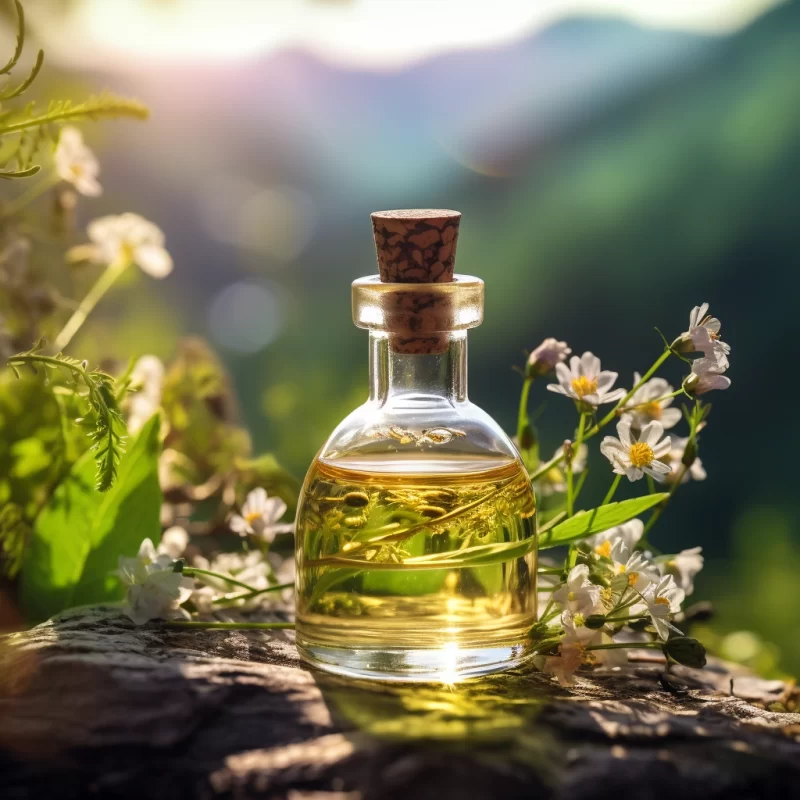
In the world of natural skincare and aromatherapy, carrier oils are prized for their nourishing properties and versatility. Derived from plants, seeds, and nuts, these oils serve as the perfect vehicle for diluting essential oils and delivering their benefits to the skin. However, like any natural product, carrier oils have a finite shelf life. Understanding this aspect is crucial for maintaining their potency and ensuring safety. Let’s delve into the significance of knowing the shelf life of carrier oils.
Why is it Important to Know the Shelf Life?
Quality Assurance
Knowing the shelf life of carrier oils enables consumers to gauge their freshness and quality. Oils that exceed their expiration date may undergo oxidation, resulting in a rancid smell and diminished efficacy. By using oils within their recommended shelf life, you can experience their full spectrum of benefits and avoid potential adverse reactions.
Safety Considerations
Expired carrier oils can pose risks to skin health. Oxidation not only alters the aroma and texture of oils but may also generate harmful compounds that irritate the skin. By adhering to recommended usage periods, you mitigate the likelihood of skin sensitivities or allergic reactions, ensuring a safe and enjoyable experience.

Optimal Efficacy
Fresh carrier oils boast maximum potency, delivering optimal results in skincare and aromatherapy applications. Over time, exposure to light, air, and heat can degrade the beneficial properties of oils, diminishing their effectiveness. By using oils within their designated shelf life, you harness their full therapeutic potential, achieving desired outcomes with confidence.
Determining and Extending the Shelf Life of Carrier Oils?
When Does the Shelf Life of Carrier Oils Begin? After Manufacturing or When It’s First Opened
The shelf life of carrier oils typically begins from the time of manufacturing, rather than when the bottle is opened. Manufacturers often conduct stability testing to determine the expected shelf life of their products under specific storage conditions. Factors such as the extraction method, packaging materials, and antioxidant content contribute to this determination.
Once opened, carrier oils are susceptible to oxidation and degradation, which can shorten their shelf life. Proper storage practices, such as keeping oils in a cool, dark place and tightly sealing the container after each use, can help prolong their freshness. However, it’s essential to adhere to the manufacturer’s guidelines and recommended usage periods to ensure optimal quality and safety.
Consult Manufacturer Guidelines
Most reputable suppliers provide information on the shelf life of their carrier oils. Check product labels or visit the manufacturer’s website for specific recommendations regarding storage conditions and expiration dates.
Consider Oil Characteristics
Factors such as the extraction method, fatty acid composition, and antioxidant content influence the shelf life of carrier oils. Oils rich in antioxidants, such as jojoba or rosehip seed oil, tend to have longer shelf lives compared to more delicate oils like grapeseed or hemp seed oil.
Practice Proper Storage
To extend the shelf life of carrier oils, refer to the packaging for specific guidelines. When in doubt, store them in a cool, dark place away from direct sunlight and heat sources. When possible, use dark glass bottles to minimize exposure to light, and ensure lids are tightly sealed to prevent oxidation.
Understanding the shelf life of carrier oils is essential for maintaining product quality, ensuring safety, and optimizing efficacy. By adhering to recommended usage periods and proper storage practices, you can enjoy the benefits of these natural treasures with confidence and peace of mind.
For further information on our range of high-quality carrier oils and their shelf life, please don’t hesitate to contact us.
List of Carrier Oils/Shelf Life
Please note: These shelf lives are approximate and can vary based on factors such as storage conditions (cool, dark place), exposure to air and light, and the quality of the oil. Proper storage is key to getting the best shelf life out of your oils. It’s always a good practice to check for any signs of rancidity before use.
- Algae Oil: Shelf life of 1 year
- Almond Oil (refined & unrefined): Shelf life of 1 – 2 years
- Aloe Vera Oil: Shelf life of 6 months – 1 year
- Amla Oil: Shelf life of 1 – 2 years
- Apricot Kernel Oil : Shelf life of 1 – 2 years
- Argan Oil: Shelf life of 1 – 2 years
- Avocado Oil (cold pressed): Shelf life of 1 year
- Avocado Oil (refined): Shelf life of 1.5 – 2 years
- Babbasu Oil: Shelf life of 2 years
- Babchi Oil: Shelf life of 1 year
- Bakuchiol Oil: Shelf life of 1 year
- Baobab Oil: Shelf life of 1 – 2 years
- Batana Oil (refined): Shelf life of up to 2 years
- Batana Oil (virgin): Shelf life of 1 year
- Blackberry Seed Oil: Shelf life of 6 months – 1 year
- Black Currant Seed Oil: Shelf life of 6 months – 1 year
- Black Seed Oil: Shelf life of 6 months – 1 year
- Blueberry Seed Oil: Shelf life of 1 – 2 years
- Borage Oil: Shelf life of 6 – 12 months
- Brahmi Oil: Shelf life of 1 – 2 years
- Brazil Nut Oil: Shelf life of 2 years
- Broccoli Seed Oil: Shelf life of 1 year
- Camelina Oil: Shelf life of 2 years
- Carrot Seed Oil (cold pressed): Shelf life of 1 – 2 years
- Castor Oil (cold pressed): Shelf life of 5 years
- Cherry Kernel Oil: Shelf life of 1 year
- Chia Seed Oil (cold pressed): Shelf life of 2 years
- Cocoa Butter (unrefined): Shelf life of 2-5 years
- Coconut Oil (cold pressed & refined): Shelf life of 2 – 3 years
- Cottonseed Oil: Shelf life of 1 year
- Cranberry Seed Oil: Shelf life of 1 – 2 years
- Cucumber Seed Oil: Shelf life of 6 – 12 months
- Cupuacu Butter: Shelf life of 1 – 2 years
- Emu Oil: Shelf life of 1 year
- Evening Primrose Oil: Shelf life of 6 months – 1 year
- Flax Seed Oil: Shelf life of 6 months
- Fractionated Coconut Oil: Shelf life of 5+ years
- Grapeseed Oil (cold pressed): Shelf life of up to 1 year
- Hazelnut Oil (cold pressed & refined): Shelf life of up to 1 year
- Hazelnut Oil (roasted): Shelf life of up to 3 months
- Hemp Seed Oil (cold pressed): Shelf life up to 1 year
- Jojoba Oil (cold pressed & refined): Shelf life up to 5 years
- Kakadu Plum Seed Oil: Shelf life of 1 year
- Karanja Oil: Shelf life of 2 years
- Kiwi Seed Oil: Shelf life of 6 – 12 months
- Kokum Butter Oil: Shelf life of 2 years
- Kukui Nut Oil (cold pressed): Shelf life of 1 year
- Macadamia Nut Oil (cold pressed): Shelf life of 1 – 2 years
- Malkangni Oil (cold pressed): Shelf life of 2+ years
- Mango Butter: Shelf life of 1 year
- Mango Seed Oil (cold pressed): Shelf life of 1 – 2 years
- Marula Oil (cold pressed): Shelf life of up to 2 years
- Meadowfoam Oil: Shelf life of 5 years
- Mink Oil: Shelf life of 1 year
- Moringa Seed Oil: Shelf life of 1 – 2 years
- Murumuru Butter: Shelf life of 1 – 2 years
- Muskmelon Seed Oil (cold pressed): Shelf life of 2+ years
- Neem Oil (cold pressed): Shelf life of 1 – 2 years
- Olive Oil (virgin): Shelf life up to 2 years
- Palm Oil (unrefined): Shelf life of 2 years
- Papaya Seed Oil (cold pressed): Shelf life of 1 year
- Parsley Seed Oil: Shelf life of 1 year
- Passion Fruit Seed Oil (cold pressed): Shelf life of 1 – 2 years
- Peach Kernel Oil (cold pressed): Shelf life of 1 year
- Pecan Nut Oil (cold pressed): Shelf life of 1 year
- Perilla Seed Oil (cold pressed): Shelf life of 1 – 2 years
- Pistachio Nut Oil (cold pressed): Shelf life of 6 months – 12 months
- Plum Kernel Oil: Shelf life of 1 year
- Pomegranate Seed Oil: Shelf life of 1 – 2 years
- Poppy Seed Oil: Shelf life of 1 year
- Pumpkin Seed Oil (cold pressed): Shelf life of 6 – 12 months
- Praxaci Seed Oil: Shelf life of 1 year
- Prickly Pear Seed Oil: Shelf life of 2 years
- Raspberry Seed Oil (Black): Shelf life of 1 year
- Raspberry Seed Oil (Red): Shelf life of 2 years
- Rice Bran Oil (cold pressed & refined): Shelf life of 1 year
- Rose Hip (Rosehip) Seed Oil: Shelf life of 6 months
- Sacha Inchi Oil: Shelf life of 1-2 years
- Safflower Seed Oil (high linoleic): Shelf life of 1 – 2 years
- Safflower Seed Oil (high oleic): Shelf life of 2 – 3 years
- Sal Butter: Shelf life of 1-2 years
- Seabuckthorne Oil (CO2): Shelf life of 1 – 2 years
- Seabuckthorne Berry Oil (cold pressed): Shelf life of 6 – 12 months
- Sesame Oil (cold pressed): Shelf life up to 1 year
- Sesame Oil (toasted): Shelf life of 6 months to 1 year
- Shea Oil: Shelf life of 1 – 2 years
- Soursop Seed Oil: Shelf life of 1 – 2 years
- Soybean Oil (refined): Shelf life of 1 year
- Soybean Oil (unrefined): Shelf life of 6 months to 1 year
- Squalane Oil: Shelf life of 2 years
- Strawberry Seed Oil (cold pressed): Shelf life of 2 years
- Sunflower Seed Oil (cold pressed): Shelf life up to 1 year
- Tamanu Oil (cold pressed): Shelf life of 1 – 2 years
- Tomato Seed Oil: Shelf life of 1 – 2 years
- Tucuma Butter: Shelf life of 2 years
- Ucuuba Butter: Shelf life of 2 years
- Walnut Oil (unrefined): Shelf life of 2 years
- Watermelon Seed Oil (cold pressed): Shelf life of up to 1 year
- Wheat Germ Oil (unrefined): Shelf life of 1 year
- Yangu Oil: Shelf life of 1 to 2 years